
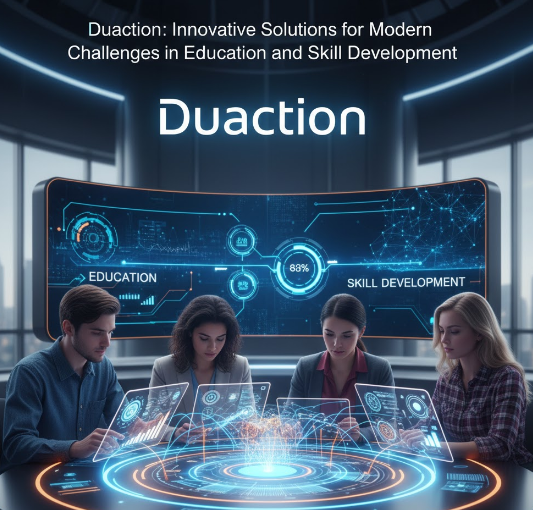
In a world defined by rapid technological advancement, shifting job markets, and evolving social needs, traditional education systems are struggling to keep pace. Memorization-based learning, rigid curriculums, and one-size-fits-all teaching models often fail to prepare learners for real-life challenges. This is where Duaction emerges as a transformative solution.
Duaction is more than a buzzword—it represents a forward-thinking educational approach that blends education with action, focusing on practical skills, adaptability, and real-world application. Designed to address the shortcomings of conventional learning, Duaction equips individuals, institutions, and organizations with the tools they need to succeed in today’s fast-changing environment.
In this in-depth guide, we’ll explore what Duaction is, why it matters, how it works, and how it is reshaping education and professional development for the modern era.
What Is Duaction?
Duaction is an innovative learning and development concept that combines theoretical education with hands-on action. The name itself reflects its philosophy: “Do” + “Action”. Instead of separating learning from real-world practice, Duaction integrates both into a single, dynamic process.
At its core, Duaction emphasizes:
- Experiential learning
- Skill-based education
- Problem-solving through action
- Continuous adaptation to real-world challenges
Unlike traditional systems that prioritize exams and grades, Duaction focuses on competence, creativity, and critical thinking. Learners don’t just study concepts—they apply them in practical, meaningful contexts.
Why Traditional Education Is No Longer Enough
For decades, education has followed a predictable structure: lectures, textbooks, exams, and certifications. While this model has value, it often falls short in preparing learners for modern realities.
Key Limitations of Traditional Education
- Lack of practical application
Students may understand theories but struggle to apply them in real-life situations. - Slow adaptation to change
Curriculums often lag behind industry trends, technology, and workforce needs. - Minimal personalization
Different learning styles, paces, and interests are rarely accommodated. - Weak connection to employability
Graduates frequently lack job-ready skills despite holding degrees.
Duaction directly addresses these gaps by redesigning learning as an active, evolving experience rather than a static process.
The Core Principles of Duaction
Understanding Duaction requires a look at the principles that define it. These foundations make it effective across schools, universities, training programs, and organizations.
1. Learning by Doing
Duaction prioritizes action-based learning. Instead of passively consuming information, learners actively engage in projects, simulations, case studies, and real-world problem-solving.
2. Real-World Relevance
Every lesson is tied to practical outcomes. Learners understand why they are learning something and how it applies beyond the classroom.
3. Flexibility and Adaptability
Duaction frameworks are designed to evolve with technological, social, and economic changes. This ensures long-term relevance.
4. Skill-Centered Development
Critical thinking, communication, collaboration, creativity, and digital literacy are central to Duaction-based learning.
5. Lifelong Learning Mindset
Duaction encourages continuous growth rather than one-time certification, making it ideal for both students and professionals.
Advantages of Duaction Over Traditional Education
One of the biggest reasons Duaction is gaining attention is its clear advantages over conventional educational models.
1. Practical Skill Development
Duaction ensures learners gain skills they can immediately apply—whether in careers, entrepreneurship, or personal growth.
2. Personalized Learning Experiences
Learners can progress at their own pace, explore their interests, and focus on areas that align with their goals.
3. Improved Engagement and Motivation
Active participation keeps learners interested, reducing burnout and disengagement common in traditional settings.
4. Stronger Career Readiness
By aligning learning with real-world demands, Duaction prepares individuals for employment, freelancing, and leadership roles.
5. Better Knowledge Retention
Hands-on experiences help learners retain information more effectively than rote memorization.
How Duaction Addresses Modern Challenges
Modern challenges require modern solutions, and Duaction is built specifically to meet them.
Bridging the Skills Gap
Employers increasingly seek skills rather than degrees. Duaction focuses on competence, ensuring learners meet industry expectations.
Adapting to Technological Change
With technology evolving rapidly, Duaction integrates digital tools, AI, and emerging platforms into the learning process.
Supporting Diverse Learning Styles
Visual, auditory, kinesthetic, and self-directed learners all benefit from Duaction’s flexible structure.
Promoting Mental Well-Being
Duaction often incorporates collaboration, creativity, and self-reflection, helping learners manage stress and build confidence.
Encouraging Innovation and Creativity
Instead of rigid answers, Duaction encourages experimentation, exploration, and original thinking.
Duaction in Action: Real-World Case Studies
Case Study 1: Duaction in Secondary Education
A high school integrated Duaction into its science and technology curriculum. Students worked on real environmental challenges, designing solutions rather than just studying theories. Engagement increased significantly, and exam performance improved alongside practical understanding.
Case Study 2: Corporate Training with Duaction
A technology firm adopted Duaction for employee upskilling. Instead of traditional workshops, employees completed project-based learning aligned with actual business goals. Productivity and job satisfaction increased within months.
Case Study 3: Higher Education Transformation
A university introduced Duaction-driven modules across business and engineering programs. Graduates reported higher employability, stronger portfolios, and improved confidence entering the workforce.
How Schools and Organizations Can Implement Duaction
Adopting Duaction doesn’t require abandoning existing systems overnight. Instead, it works best through gradual integration.
Step 1: Shift the Mindset
Educators and leaders must embrace action-based learning and move beyond exam-centric thinking.
Step 2: Redesign Curriculum Around Skills
Identify key skills learners need and build projects, challenges, and real-world tasks around them.
Step 3: Train Educators and Facilitators
Teachers and trainers should act as mentors and guides rather than just information providers.
Step 4: Leverage Technology
Use digital tools for collaboration, tracking progress, and enhancing engagement.
Step 5: Encourage Feedback and Iteration
Continuous improvement is essential. Learner feedback helps refine Duaction strategies.
Common Challenges in Adopting Duaction (and How to Overcome Them)
Resistance to Change
Solution: Start small with pilot programs and demonstrate success through results.
Limited Resources
Solution: Use low-cost digital tools and community partnerships to support implementation.
Lack of Training
Solution: Invest in professional development and peer learning among educators.
Measuring Success
Solution: Use skill-based assessments, portfolios, and real-world outcomes rather than only exams.
Duaction and the Future of Education
The future of education is not static—it’s adaptive, digital, and skill-driven. Duaction aligns perfectly with this future by preparing learners for jobs that don’t yet exist and challenges that can’t be predicted.
As automation and AI reshape industries, human skills like creativity, emotional intelligence, and problem-solving become more valuable. Duaction nurtures these abilities, ensuring learners remain relevant and resilient.
Why Duaction Matters More Than Ever
In today’s global landscape, learning must be:
- Practical
- Flexible
- Inclusive
- Future-focused
Duaction meets all these needs by transforming education into an empowering, action-oriented experience. It doesn’t just teach people what to think—it teaches them how to act, adapt, and succeed.
Conclusion: Embracing Duaction for a Better Future
Duaction represents a powerful shift in how we approach education and skill development. By combining learning with real-world action, it prepares individuals for meaningful success in an unpredictable world.
Whether you’re an educator, student, professional, or organization, embracing Duaction means investing in relevance, resilience, and long-term growth. As modern challenges continue to evolve, solutions like Duaction will play a critical role in shaping a smarter, more capable future.
The question is no longer whether education should change—but how quickly we adopt approaches like Duaction to lead that change.
Also Read: Urlwo: The Smart Link Management Tool Redefining How Links Work in 2025
[…] Understanding Their Impact on Business Success and How to Manage Them Effectively Duaction: Innovative Solutions for Modern Challenges in Education and Skill Development How Organic Hemp Clothing Fits Into Modern Men’s Fashion Why Getting Support for Company […]