
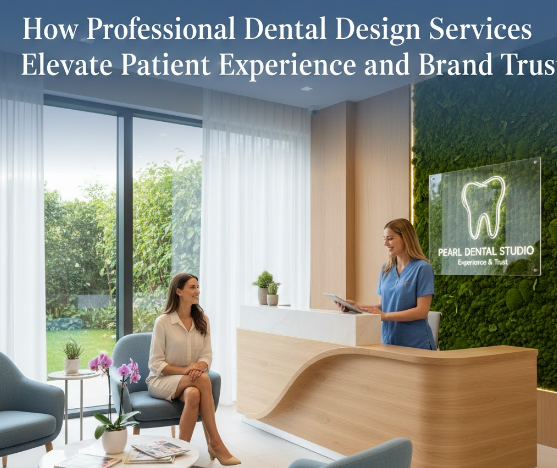
When people think about going to the dentist, they often picture bright lights, clinical tools, and that familiar mix of anticipation and nerves. What many don’t realise is that the environment surrounding their appointment has just as much influence on their comfort as the treatment itself. This is where thoughtful, modern design comes in. Today, more dental practices are turning to specialised design services to create spaces that feel welcoming, efficient, and aligned with their brand values.
Whether it’s an updated clinic interior, a refreshed visual identity, or better patient communication materials, the right design choices can transform how patients experience dental care. And in a time when first impressions are shaped long before anyone sits in a dental chair, standing out visually has never been more important.
Design as a Core Part of Patient Experience
Think about the last time you walked into a beautifully designed café or hotel. Even before interacting with the staff, you likely felt a sense of calm, trust, or excitement simply because the environment communicated professionalism and care. Dental clinics operate the same way.
A thoughtfully designed dental practice does more than look attractive—it can influence how patients feel about the quality of care they will receive. This includes:
1. Comfort Through Thoughtful Space Planning
Small details like natural lighting, comfortable seating, soothing colours, and uncluttered spaces can reduce anxiety. Many people already feel nervous about dental visits, so the clinic atmosphere can set the tone for their entire experience.
2. Smoother Flow for Staff and Patients
Good design isn’t only aesthetic—it’s deeply practical. Clear pathways, organised storage, and efficient layout planning ensure that both staff and patients move smoothly throughout the clinic. That sense of order creates a perception of competence and professionalism.
3. Reinforcing a Modern, Trustworthy Image
Patients associate clean, modern design with advanced care. Something as simple as updated signage, a cohesive colour palette, or consistent branding across digital and physical spaces can enhance trust and create a more memorable experience.
It’s similar to how well-designed products, such as smartphones or appliances, communicate quality before you even use them. That emotional cue matters.
Building Stronger Brand Identity in a Competitive Industry
Dental care is a highly personal service, but it’s also highly competitive. Many clinics offer similar treatments, so the way you present your practice becomes a defining factor.
Design Sets You Apart from the Clinic Down the Street
Patients often choose providers based on familiarity, recommendations, or visual impression. Design helps shape that impression—especially across digital platforms.
A well-designed logo, website, or patient brochure doesn’t simply deliver information. It reflects who you are: trusted, professional, and invested in patient comfort.
Consistency Creates Recognition
Brand recognition grows when every visual element—from the front-desk signage to your online booking page—feels connected. Consistency builds familiarity, and familiarity builds loyalty. This is why industries like retail and hospitality invest heavily in visual identity. People trust what they recognise.
Clear Communication Improves Understanding and Trust
Good design also means clarity. Icons, diagrams, labelled forms, and simplified visuals help patients understand their treatment plans, costs, and next steps. Visual communication has been widely shown to support learning and reduce confusion, especially in healthcare, where information can sometimes feel overwhelming. Even something as simple as a well-designed informational sheet can improve patient confidence.
Better communication leads to better relationships, and ultimately, better patient retention.
Where Specialised Dental Design Services Make the Difference
Many dental clinics try to manage design updates in-house, but professional designers with industry-specific experience understand the unique needs of clinical spaces. They consider patient psychology, ergonomic layout requirements, infection control guidelines, and dental team workflow.
This is where a professional dental design service becomes especially valuable. These specialists can translate a clinic’s personality, purpose, and goals into visuals and spaces that genuinely support patient comfort and brand growth.
For example, a designer might create a layout that reduces bottlenecks at the reception area, introduce a calming colour palette inspired by nature, or produce polished visual materials that help patients feel more informed. This combination of aesthetics and functionality allows clinics to communicate professionalism the moment someone walks through the door—or even before, when browsing online.
One clinic might focus on a family-friendly design with playful touches, while another might opt for a sleek, spa-like feel to appeal to adults seeking premium dental care. The ability to tailor the environment to your target audience is one of the biggest advantages of working with professionals.
To support this approach, many designers study real-world behaviour, cultural preferences, emotional triggers, and even concepts such as environmental psychology, which explores how physical surroundings influence mood and decision-making. These principles are widely used across industries, including architecture, healthcare, and retail, demonstrating the universal impact of design.
Design That Enhances Trust and Long-Term Loyalty
Trust is one of the most important factors in healthcare. Patients need to believe that the people caring for them are skilled, reliable, and attentive. Design communicates these qualities visually, often without a single word spoken.
1. Visual Cleanliness Suggests Clinical Cleanliness
People tend to associate tidy, modern visual environments with good hygiene standards. Just like how restaurants with clean, well-designed interiors give diners peace of mind, dental spaces that look organised and well-maintained can ease patient concerns.
2. Professionalism Through Quality Details
High-quality print materials, clear signage, updated décor, and a cohesive visual identity convey credibility. Patients are more likely to trust a clinic that appears intentional and consistent in every part of its presentation.
3. Educational Design Builds Confidence
Using visuals to explain procedures or technology helps bridge communication gaps. Patients appreciate transparency, and design can make complex topics feel manageable. This is similar to how museums or scientific exhibits use visuals to simplify intricate subjects—when people understand something better, they feel more in control.
4. Positive Emotional Associations Shape Patient Loyalty
People remember how a place makes them feel. A calming environment, friendly colours, or thoughtful interior elements can make appointments something patients don’t dread—maybe even enjoy. Positive experiences lead to repeat visits and genuine referrals.
To give context, industries like hospitality and retail have long known that emotional design influences behaviour. Even products associated with everyday life—from coffee shops to skincare brands—invest heavily in aesthetics because how something looks often affects how we feel about it.
Final Thoughts: Design Is Part of the Care You Provide
When dental practices invest in design, they invest in patient relationships. A great dental experience goes beyond clinical skill—it includes how patients feel from the moment they enter the space until they leave. Good design supports clarity, comfort, confidence, and connection.
By rethinking visual identity, clinic layout, and communication materials, dental professionals can elevate both patient experience and long-term trust. It’s a strategic advantage that pays off in loyalty, reputation, and overall patient satisfaction.
And in a world where people make quick decisions based on what they see, every detail matters—from the colours on your walls to the way your treatment explanations are presented. Design isn’t just decoration; it’s part of the care you deliver.
Also Read: More Than Just Aesthetic: The Real Effects of Crowded Teeth