
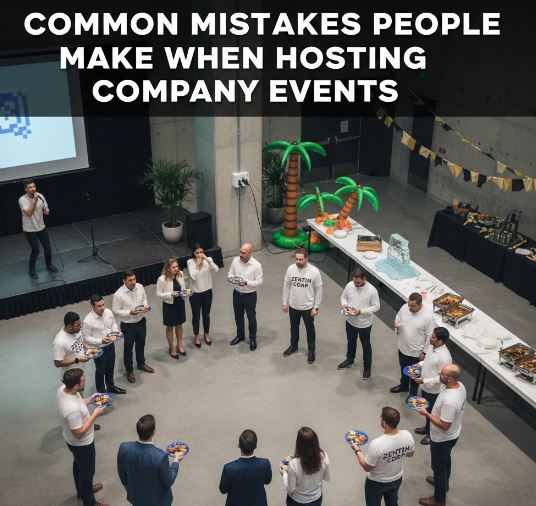
Company events are great for building team spirit, strengthening company culture, and celebrating success. However, poor planning can lead to wasted resources and missed opportunities. Understanding common event planning mistakes is the first step to avoiding them. This guide will help you sidestep potential problems and ensure your event is a memorable experience for everyone involved.
Lack of Clear Objectives
A common mistake in planning a company event is failing to define a clear purpose. Is the goal to boost employee morale, launch a product, or impress potential clients? Without a specific objective, it’s hard to shape the event or measure its success. Vague goals can lead to wasted time and money on elements that don’t align with the intended outcome. A well-defined purpose provides direction and informs decisions about the venue, agenda, and activities. Whether the event is formal or casual, internal or client-facing, every detail should support its primary objective.
Poor Budget Management
Budgeting is a common source of stress in corporate event planning. Some organizers allocate too little, while others overspend on non-essentials. Either way, the event’s impact can suffer. To avoid this, create a detailed budget early in the planning process. Categorize expenses like venue, catering, decor, transportation, accommodations, entertainment, and a contingency fund for unexpected costs. Adhering to a realistic budget allows you to prioritize spending and reduces financial stress as the event nears.
Choosing the Wrong Venue
Choosing a venue that doesn’t fit your event’s size or style is another common mistake. A cramped space can feel chaotic, while an oversized room may seem cold and impersonal. The venue should also be accessible, so consider its proximity to public transportation, parking availability, and ease of navigation for all guests. The right location sets the tone for your event, so ensure it aligns with your theme, audience, and technical needs. Visiting the site beforehand helps you resolve potential layout issues and identify any missing resources.
Ignoring the Importance of Timing
Timing is crucial for a successful event. Scheduling during peak business hours or near holidays can reduce attendance, while sending invitations too late might leave guests unavailable. Poorly planned start or end times can also lead to early departures. Effective event planning requires careful attention to the timeline, including choosing the right date, sending invitations early, creating a realistic schedule, and allowing time for setup and takedown. A well-structured timeline keeps guests engaged and ensures the agenda runs smoothly.
Overlooking Attendee Experience
Some planners focus so heavily on logistics that they neglect the guest experience. Long check-in lines, poor signage, uncomfortable seating, and a lack of refreshments can leave a negative impression. Every touchpoint matters, from registration to the closing remarks, so consider what your attendees will see, hear, eat, and do. Provide clear information on directions, parking, and attire. Creating an enjoyable experience enhances your brand and encourages future attendance, and paying attention to small details often makes the biggest impact.
Underestimating Technical Requirements
Technical glitches are another common issue. A poor sound system, an untested projector, unstable Wi-Fi, or a lack of charging stations can easily disrupt presentations and ruin the attendee experience. To prevent this, event planners should coordinate with vendors and venues to test all equipment and confirm setups beforehand. It’s also wise to have support staff on standby. Technology is crucial for modern events, especially hybrid ones, so ensure your tech plan is solid, reliable, and has a backup in case something goes wrong.
Forgetting a Contingency Plan
Even with careful planning, unexpected issues can arise—weather changes, vendor no-shows, or last-minute cancellations. Despite this, many organizers neglect creating a backup plan. A strong contingency plan should address key risks, such as alternate speakers, indoor options for outdoor events, spare equipment, and extra supplies. Having a plan B allows you to make quick, confident decisions, keeping your event on track no matter the challenges.
Conclusion
Avoiding common mistakes can transform a stressful event into a smooth and successful one. Effective Corporate Event Planning goes beyond selecting a date and venue—it requires a strategic, detail-oriented approach that prioritizes your guests. By setting clear goals, managing budgets effectively, and focusing on creating a great experience, you can deliver events that leave a lasting positive impression.
Also Read: Polybuzz AI: The Future of AI Companionship, Role-Playing & Virtual Conversations in 2025
[…] Snow Management Solutions for Your Home Common Mistakes People Make When Hosting Company Events Polybuzz AI: The Future of AI Companionship, Role-Playing & Virtual Conversations in 2025 […]